

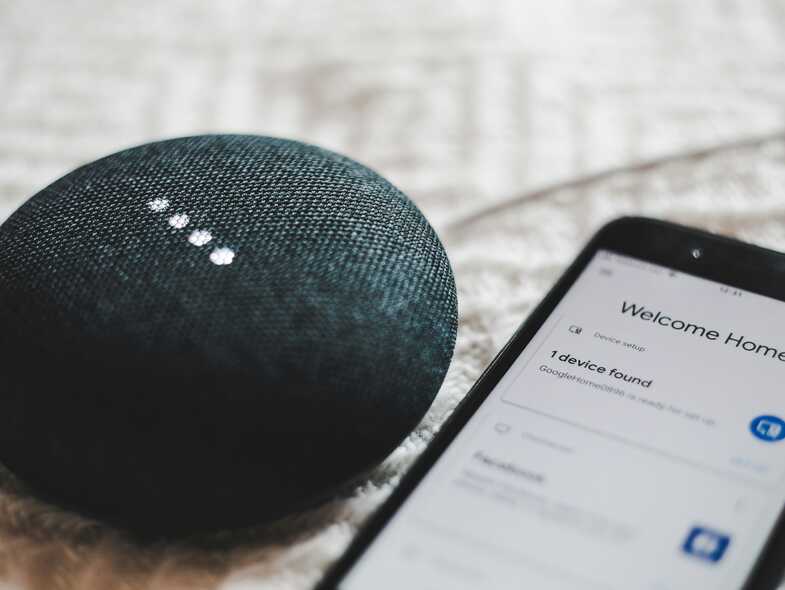
Ever wondered how to bring smart technology into your home? Whether you want to simplify everyday routines, improve comfort, or create a more efficient and sustainable lifestyle, smart technology offers a wide range of benefits. Here’s our guide to help get you started.

Photography by Ihor Saveliev
WHAT IS SMART TECHNOLOGY?
A smart home is a home that uses connected technology to monitor, control, and automate appliances, devices, and systems through a web-enabled device such as a smartphone or tablet. By automating everyday tasks, smart technology can make home life more convenient, secure and comfortable. It can also support a more sustainable lifestyle by improving energy efficiency, reducing unnecessary energy use, and helping lower utility costs.
There are many ways to introduce smart technology at home:
- Climate control
- Lighting
- Home security
- Power management
- Voice control assistant
- Irrigation
Photography by Moritz Kindler
Photography by Dan Lefebvre
Photography by Jakub Zerdzicki
CLIMATE CONTROL
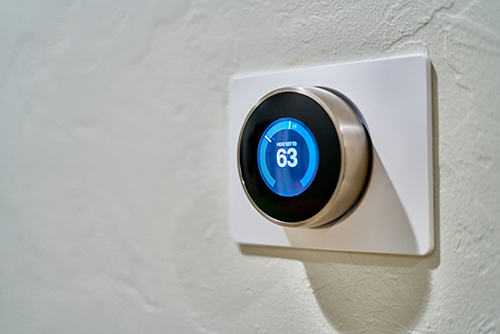
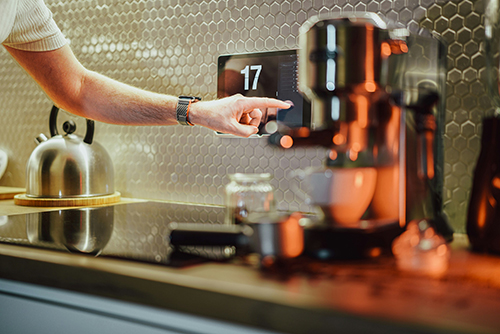
Smart climate control systems can automate thermostats, heating, cooling, ceiling fans, and blinds to create a more comfortable and energy-efficient home. These systems can learn your household’s routines and preferences, adjusting settings based on daily schedules or natural changes such as sunrise and sunset. For example, automated blinds can open or close during the hottest or coolest parts of the day to help maintain indoor temperatures, while also providing UV protection and increased privacy. By optimising climate control, smart technology can improve comfort while reducing energy consumption and costs.
LIGHTING
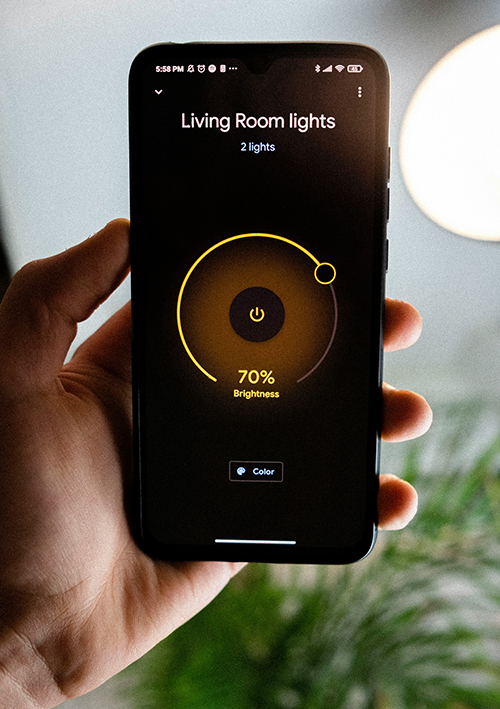
Smart lighting technology allows you to automate and personalise your home’s lighting based on your daily routines and preferences. Lights can be programmed to gradually brighten in the morning, create a relaxing atmosphere in the evening, or automatically switch off when you leave the house. Custom lighting settings can also be created for different moods, activities, or times of day. Motion sensors provide further efficiency by activating lights only when needed, helping to reduce unnecessary energy use.
HOME SECURITY
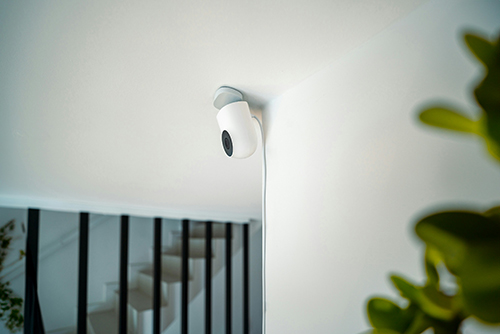
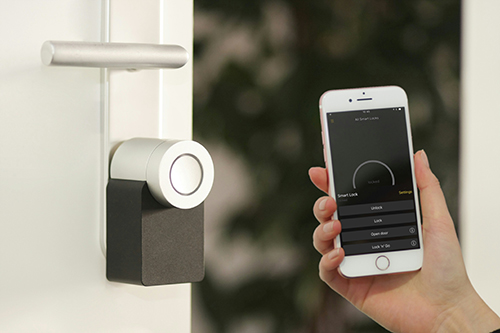
Security is one of the key areas where smart technology can provide significant benefits. Smart solutions include cameras, motion sensors, video doorbells, keypad door locks, smartphone alerts, remote locking and unlocking, window and door sensors, and smart smoke and flood detectors. These technologies provide greater visibility and control over your home, whether you are there or away. Smart locks can also allow trusted family members, guests, or service providers to access the property without the need for physical keys.
Photography by Jakub Zerdzicki
POWER MANAGEMENT
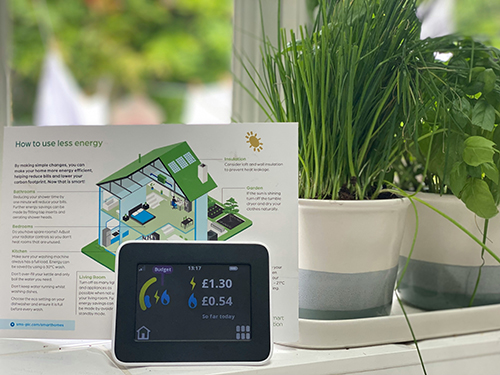
Smart technology can improve power management by helping households monitor, control and reduce their energy use. Energy monitoring systems provide real-time insights into electricity consumption, while smart systems can integrate with solar panels to maximise the use of renewable energy. Appliances can be scheduled to run during off-peak periods to lower electricity costs. Smart plugs also help reduce energy waste by switching off devices that have been left on or are in standby mode, helping to lower energy bills.
VOICE CONTROL ASSISTANT
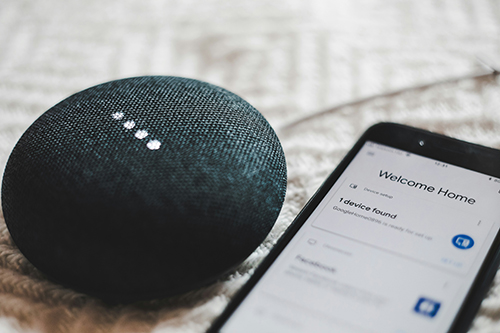
Many people are already familiar with asking Amazon Alexa to play music or Apple’s Siri to check the weather, but voice assistants can do much more when integrated into a smart home. With compatible smart technology, simple voice commands can control lighting, lock doors, turn the TV on or off, manage shopping lists, and even announce dinner to the household. You can also create routines, such as automatically playing a favourite playlist as guests arrive, making everyday tasks more convenient and hands-free.
Photography by Bence Boros
IRRIGATION
Smart irrigation systems help keep gardens healthy while using water more efficiently. In addition to watering based on a set schedule, many systems can respond to local weather conditions by checking forecasts and automatically delaying or adjusting watering when rain is expected. This reduces water waste and ensures plants receive water only when needed, making it especially beneficial in drought-prone areas. Smart soil moisture sensors can also monitor soil conditions and trigger watering only when moisture levels are low, further improving water efficiency.
COASTAL NEEDS
Coastal homes often face unique environmental challenges, making smart technology a valuable investment. Smart weather sensors and alert systems can provide early warnings of severe conditions, while humidity monitors help reduce the risk of mould and damp. Automated storm shutters can protect the home during extreme weather, and smart leak detectors can quickly identify water damage before it becomes a major issue. For holiday homes or properties that are frequently unoccupied, remote monitoring and smart security systems can allow homeowners to check on their property from anywhere.
RURAL NEEDS
Properties in rural areas often have different priorities than urban homes, and smart technology can provide practical solutions to meet these needs. Examples include smart irrigation systems to conserve water during dry periods, long-range Wi-Fi for larger properties, water tank monitoring, and solar battery management. Smart security features such as cameras, motion sensors, keypad entry systems, livestock and gate monitoring, and remote property monitoring can also help improve security and provide peace of mind when owners are away or travelling.
Photography by Sebastian Scholz
THINGS TO CONSIDER
When investing in smart technology, it’s important to consider both the upfront installation costs and the potential long-term savings through improved energy efficiency and reduced utility bills. Smart devices can enhance convenience, improve home security, increase property value, and provide a strong return on investment over time. Before purchasing, ensure that devices are compatible with one another to avoid using multiple apps, and choose systems that are easy to operate with simple controls or voice commands. It’s also important to prioritise privacy and security by using strong passwords, enabling multi-factor authentication where possible, and keeping devices updated with the latest software or hardware. Finally, consider the reliability of your smart home system by choosing products that continue to function during internet outages, where possible. Also consider how quickly you expand your setup – gradually is better as your needs and budget grow, rather than all at once.
Photography by Sian Wynn Jones
Enjoy this complimentary magazine, and continue to feel inspired to find endless possibilities to enhance your own living.
To read the e-brochure, click here.


