

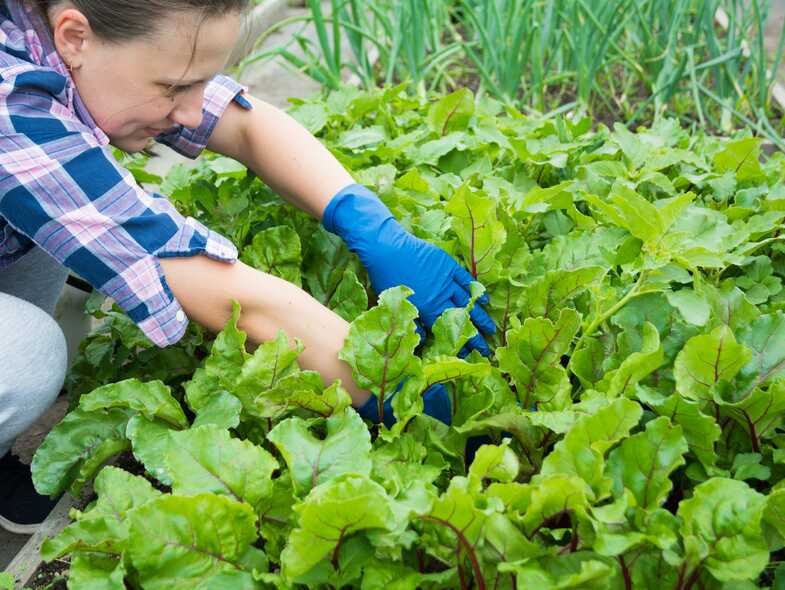
Spring brings fresh beginnings and renewal, providing the perfect opportunity to grow your own organic produce or turn your outdoor space into an eco-friendly garden. There’s no better time to start than now. Here’s how.
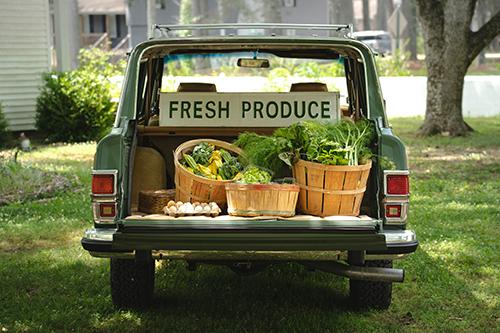
Photography by Andrew Benjack
PLAN AND PREPARE
Planning ahead during spring sets the foundation for a productive summer harvest while reducing pests, diseases and unnecessary maintenance later in the season. A well-organised garden is also easier to maintain and often produces better results. Before planting, spend some time assessing your available space with an aim to create dedicated spaces, keeping the following groupings together:
- Leafy vegetables (lettuce, spinach, silverbeet)
- Fruiting vegetables (tomatoes, capsicum, zucchini, cucumbers)
- Herbs (basil, parsley, coriander, mint)
- Pollinator-friendly flowers that attract bees and beneficial insects
- Composting and mulch storage.
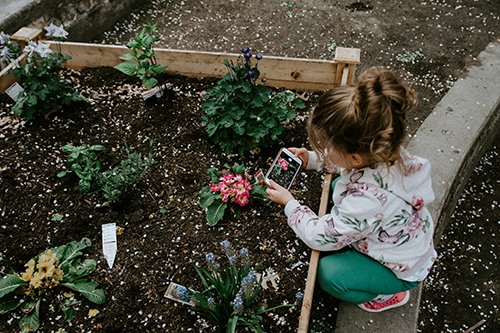
Photography by Kelly Sikkema
WHAT TO PLANT
Spring’s longer daylight hours, milder temperatures, and increased rainfall in many regions provides an ideal environment for vegetables, herbs and flowers to flourish. This means the options for growing are endless.
- Cool-weather crops: Broccoli, cabbage, cauliflower and leeks thrive in early spring as they handle cool mornings well before the summer heat arrives.
- Leafy greens: Lettuce, spinach, silverbeet, rocket and Asian greens grow quickly and flourish in the mild spring weather.
- Root vegetables and quick growers: Radishes, carrots, and turnips can be sown directly into the soil for fast harvest.
- Legumes: Snow peas, sugar snap peas, and broad beans do exceptionally well as the season gets underway.
- Warmer-weather plants: Wait until mid-to-late spring (after the threat of frost passes) to plant tomatoes, zucchini, cucumbers, beans, and capsicum.
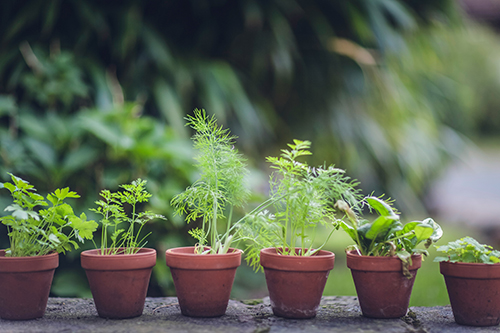
- Hardy herbs: Start with parsley, coriander, chives, and dill, and then add basil once the afternoons warm up.
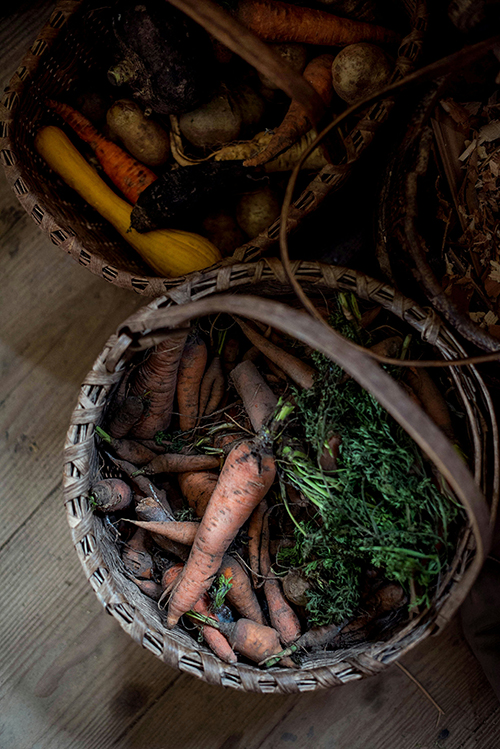
Photography by Jennifer Burk
SOIL AND COMPOST
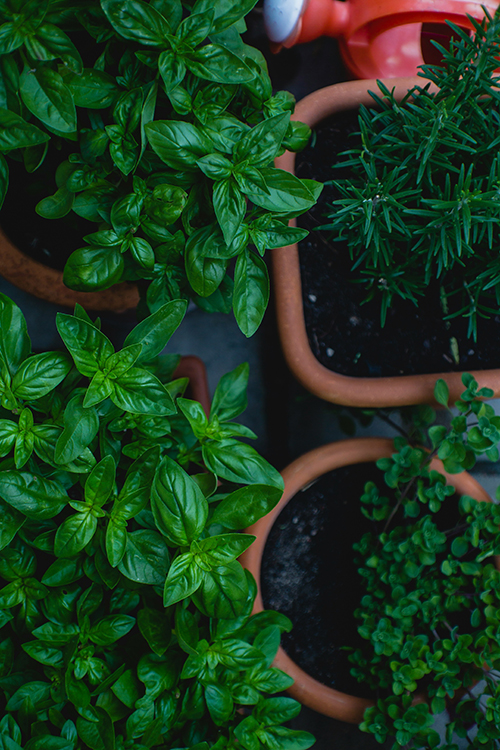
Healthy soil is key to a thriving garden. Before planting anything, remove weeds and old plant material, add quality compost or well-aged manure, and then apply mulch after planting to retain moisture and suppress weeds. Composting is one of the easiest and most effective ways to improve the health of an organic garden. By recycling kitchen scraps, grass clippings, dry leaves and other garden waste, you can create a nutrient-rich compost that helps improve soil structure, retain moisture and support healthy plant growth. A balanced compost contains a mix of “green” materials, such as fruit and vegetable scraps, and “brown” materials, including dry leaves, straw or shredded paper. Regularly turning your compost helps speed up decomposition and produces a rich, crumbly compost that can be added to your garden beds to naturally feed your plants and reduce household waste. Likewise, a good organic fertiliser can also be an effective way to enrich the soil with nutrients and help boost the growth of your plants. Make sure you do your research before applying any type of fertiliser to your garden, even if it’s organic, as it might be detrimental to other growing plants within your garden bed. Remember, healthy soil supports stronger root systems, reduces water usage, and improves crop yields.
Photography by Markus Spiske
WATER
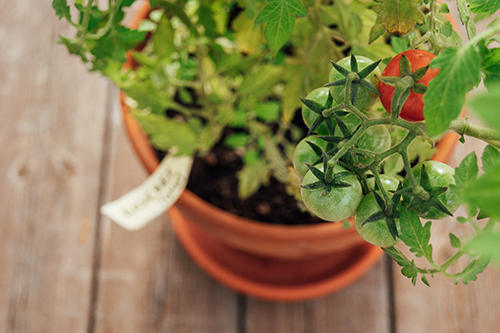
Every garden will have different water requirements based on what you decide to grow, so make a roster of every plant’s watering needs to stay on top of it. Be careful not to over water anything that is growing in shade as there may be insufficient sun to dry the soil. Also, try to not over water the leaves of plants that are susceptible to fungal diseases, such as tomatoes, zucchinis, pumpkins and cucumbers, but instead water the plant and roots directly. Installing an irrigation system is an option that will give you convenient access to water and will make tending to your garden easier, but be sure to abide by any watering restrictions in place.
Photography by Theodor Sykes
SUN
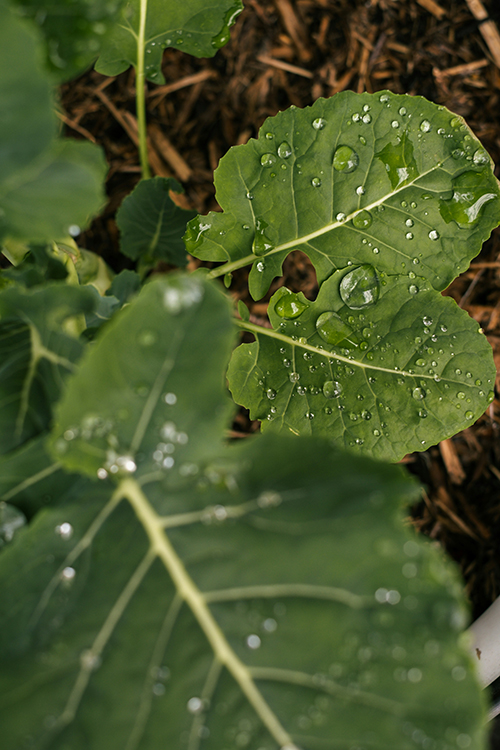
Different plants have different light requirements, so it’s important to understand their needs before planting. Most fruiting vegetables need at least six hours of direct sunlight each day. This includes capsicum, cucumber, eggplant, onion, pumpkin, sweetcorn, tomato, zucchini, beans and peas. Root vegetables such as beetroot, carrot, parsnip, potato, radish and turnip grow best in partial sun (3-6 hours of afternoon sun with morning shade). Broccoli, cabbage, cauliflower, kale, lettuce, rocket, silverbeet and spinach prefer partial shade (3–6 hours of morning sun with afternoon shade). For the best results, group vegetables with similar sunlight requirements together.
Photography by Markus Spiske Photography by Raelle Cameron
PEST CONTROL
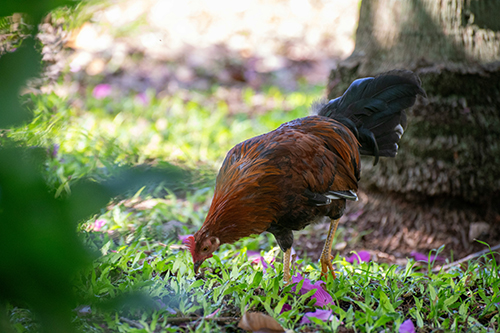
Natural pest control in a garden is most effective when you focus on creating a healthy, balanced ecosystem rather than trying to eliminate every insect. The best place to start is by encouraging beneficial insects to visit your garden, such as ladybugs, lacewings, and hoverflies because they prey on or help suppress common garden pests, reducing the need for chemical pesticides. You can attract them by planting a variety of nectar- and pollen-rich flowers, especially small, open blooms like dill, fennel, alyssum, and yarrow. When pests do appear, start simple and opt for the least disruptive methods of control first. Protect crops with physical barriers like row covers or insect netting, and hand-pick larger pests off plants where practical. Good garden hygiene, proper watering, and removing diseased plants also helps to prevent problems. If additional control is needed, try organic treatments such as insecticidal soap, neem oil, Bacillus thuringiensis (Bt), or iron phosphate slug bait, using them carefully to minimise any impact on bees, other pollinators and wildlife
Photography by Trac Vu
SUSTAINABLE PRACTICES
Growing food sustainably benefits both your garden and the environment. Simple practices, such as collecting rainwater, composting kitchen scraps, using organic fertilisers and reusing garden waste as mulch will help conserve resources, improve soil health and reduce waste. Likewise, encouraging beneficial insects to keep your garden thriving instead of relying on pesticides, and planting native flowers alongside your vegetables, especially those that support pollinators, can increase biodiversity and create a healthier, more balanced garden ecosystem. Other simple sustainable approaches include practising crop rotation as well as saving seeds from healthy plants to grow future crops and preserve varieties suited to your local conditions.
Photography by Markus Spiske
COMMUNITY FARMING
Small-scale and urban farming is a growing movement across Australia, and anyone can get involved, even if you don’t have a garden yourself. It is being driven by a focus on sustainability, local food production and community-supported agriculture (CSA), which is a partnership model where consumers purchase a subscription or share of a farm’s future harvest in advance, helping to support growers while sharing in the seasonal rewards of food production. In Canberra, initiatives such as Southern Harvest show how CSA models can strengthen local food systems. Their multi-farm regional produce box scheme brings together fruit, vegetables, nuts and herbs from small-scale growers within a 150km radius of the ACT, including urban micro-farmers such as Ainslie Urban Farm. Members then commit to a 13-week seasonal subscription, supporting growers while enjoying fresh, locally produced food. Similarly, Tiny Farm CBR offers a unique take on CSA by providing seasonal boxes of organically grown vegetable seedlings suited to the local climate. Delivered four times a year, these seedlings mean that members can grow their own fresh produce at home while remaining connected to local farming networks.
Enjoy this complimentary magazine, and continue to feel inspired to find endless possibilities to enhance your own living.
To read the e-brochure, click here.

