

Photography by Mark Bosky
HARDY PLANTS
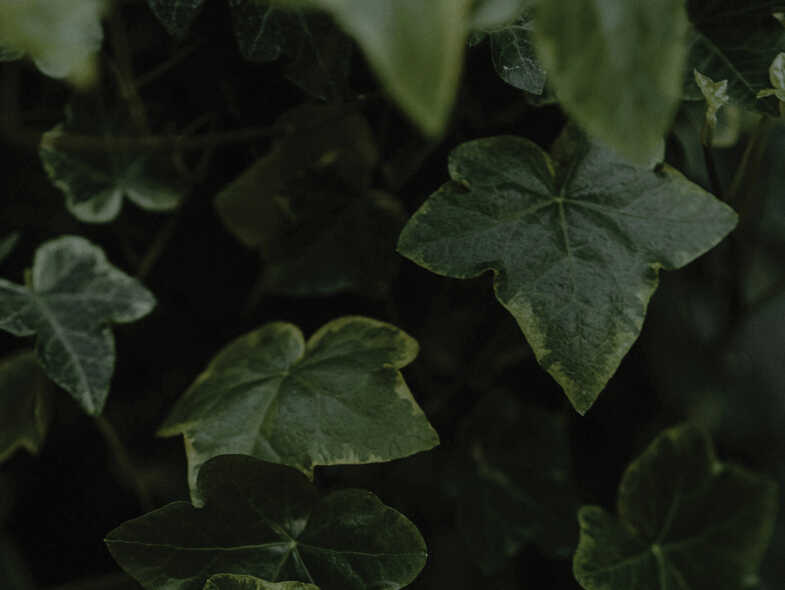
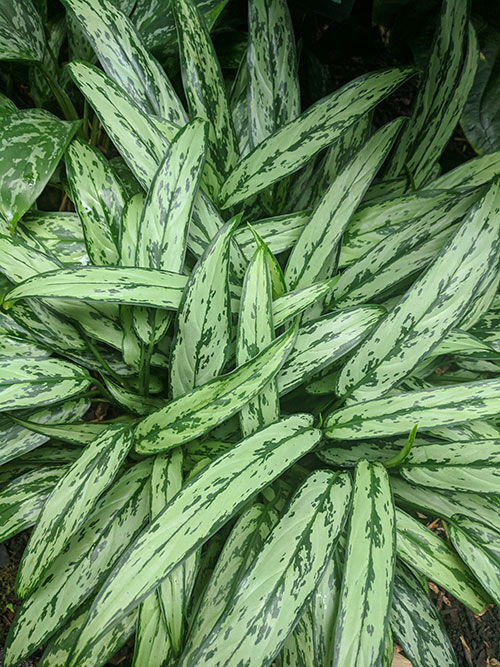
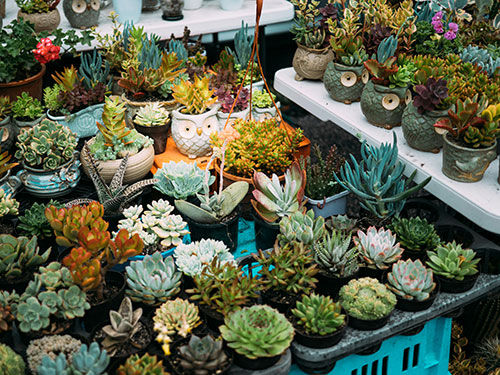
If you’re after something almost unkillable and forgiving or just don’t have the time to tend to your plants regularly, then opt for resilient, durable and no-frills greenery that can withstand infrequent watering and minimal care. Succulents are top of the list when it comes to low maintenance, so consider varieties such as aloe vera, cactus, and the Chinese money plant. The English ivy is another hardy plant, which prefers moderate light, but can adjust to low light if needed. The easy-to-grow vining pothos (or Devil’s Ivy) thrives in various light conditions and isn’t bothered by the cold or irregular watering. The Zanzibar gem and the snake plant are also both very resilient and can tolerate low light and minimal care. Known as the unkillable plant and a great all-rounder, the peace lily can also tolerate light and dark spaces, but typically only blooms its pretty white flowers when exposed to bright indirect sunlight. The Chinese evergreen is another durable houseplant, which tolerates poor light, dry air, air-conditioning, and minimal watering. The rubber plant is a great pick for beginners as they thrive in bright, indirect light but can tolerate various indoor conditions and don’t need much watering. The kentia palm is another easy-care houseplant that thrives on bright indirect light and is known for tolerating lower light and enjoys some humidity, so can be moved around.
Photography by Volkan Kacmaz
BATHROOMS
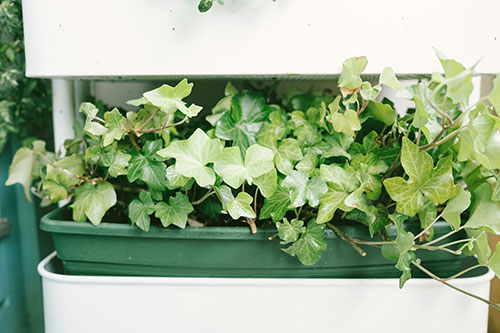
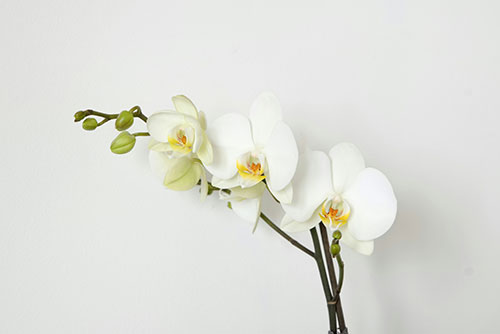
A family bathroom or ensuite is a top choice for low-care plants that love humid environments, such as fiddle leaf figs, spider plants and white orchids. If you have a window that spills bright and indirect sunlight into your bathroom, then try the pancake plant (also known as the pilea peperomioides, the Chinese money plant or UFO plant). The majesty palm and the glossy Moreton Bay chestnut also love humidity and grow best in a sunny location. If you like the look of a basket, then opt for a string of nickels, as they love a humid bathroom.
Photography by Feey Liz
WHERE TO BUY
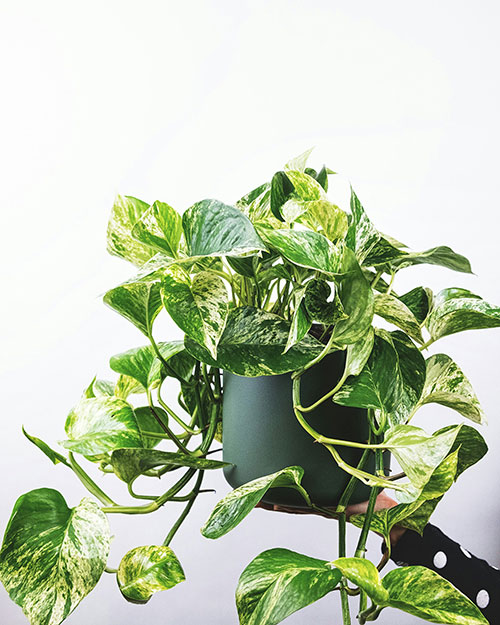
Your local florist, nursery, and farmers markets are all brimming with luscious plant life so head out and don’t be shy to ask the experts about what species you should choose for your home. You can also buy plants through businesses like The Good Plant Co who have a vast range of beginnerfriendly plants and tonnes of advice on their website.
Photography by Antonio Calissi
Photography by Cassidy Phillips
BASIC CARE TIPS
-
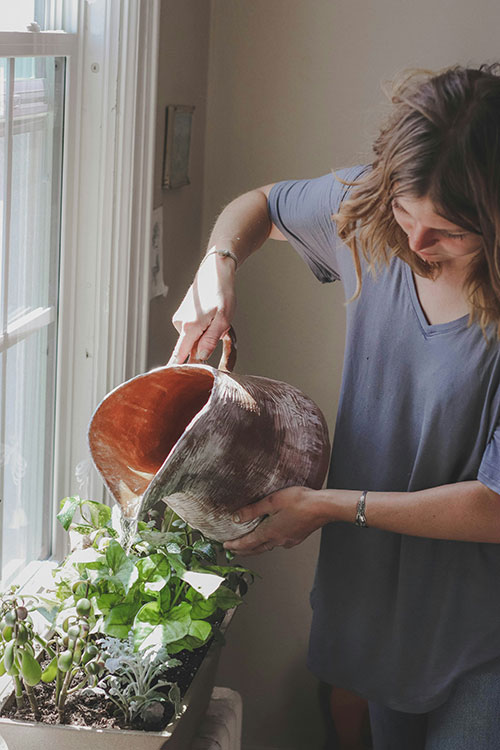
Keep your plants hydrated but be careful not to overwater them. When the topsoil is dry (when it doesn’t stick to your finger), then it’s likely that your plant needs a drink. Remember, with the colder weather on the way, the sudden drop in humidity means that the air becomes very dry, which can then dry out the soil very quickly, so be sure to check your plants regularly to help them flourish.
-
Avoid extremes in temperature. Always keep your plants in a location that has a consistent temperature suited to its needs. Don’t put plants near heaters and by cold windows and doorways.
Photography by Cassidy Phillips
-
Regularly prune dead parts of your plants to promote healthy growth and longevity. If there are signs of pests, or the leaves are brown or yellowing, then your plants may be unwell. To troubleshoot and treat common problems, take a photo of the plant and do a reverse image search online to help you with next steps, or show the photo to an expert at your local garden store.
-
Different houseplants need different types of soil to grow and thrive. While you will most likely buy a plant that’s already potted in appropriate soil, if you do choose to re-pot your plant, or if it is not growing well, then it might be time for fresh soil and perhaps even some fertiliser. Ask an expert at your local garden centre or do your research online to find the best soil variety for your plant.
Enjoy this complimentary magazine, and continue to feel inspired to find endless possibilities to enhance your own living.
To read the e-brochure, click here.


