

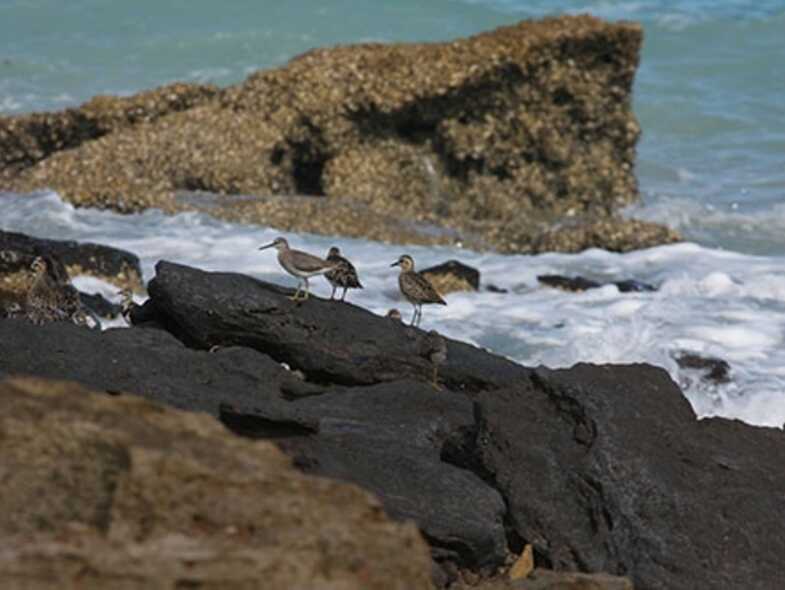
Photography by Robert Clemens
Where to spot native animals this autumn
Australia is home to some beautiful and unique native animals, and we are lucky enough to have so many living and roaming on our doorstep. Here’s our guide to spotting some iconic Australian wildlife this autumn.
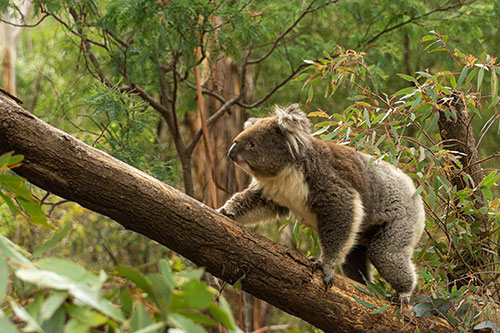
Photography by Douglas Lima
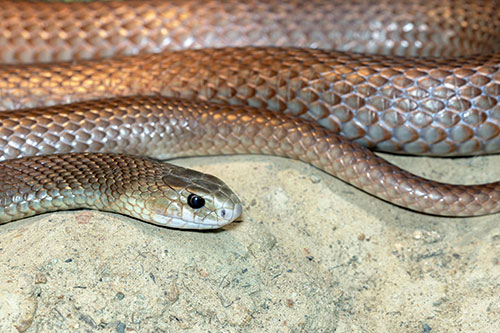
Photography by David Clode
Canberra and the South Coast’s luscious bushlands foster the perfect habitat for native Australian wildlife, meaning we get to see these amazing creatures more often than if we lived in a big city.
Autumn is a prime time for spotting local wildlife as animals are more active now that the weather is cooler and more tolerable than in summer.
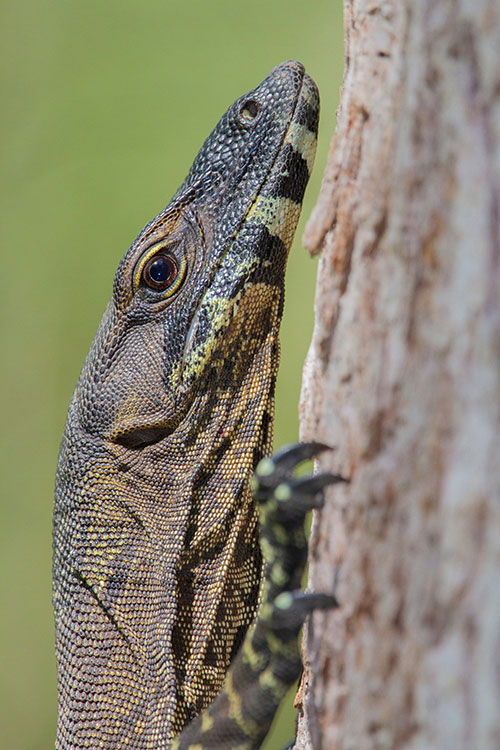
Photography by Thomas Mcpherson
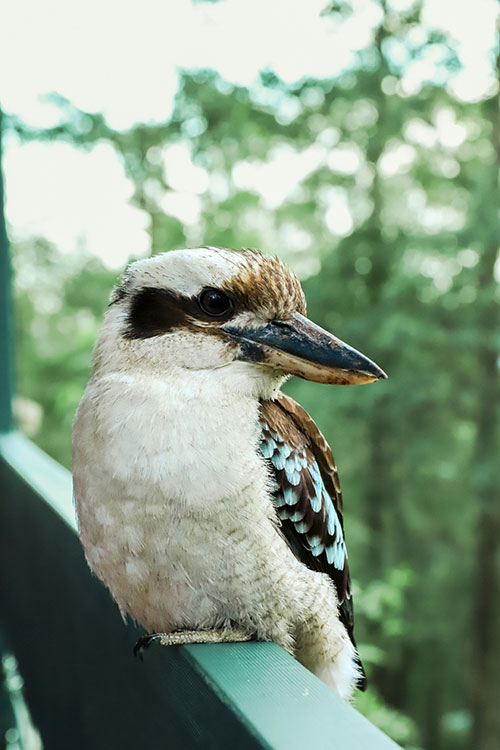
Photography by Tahlia Doyle
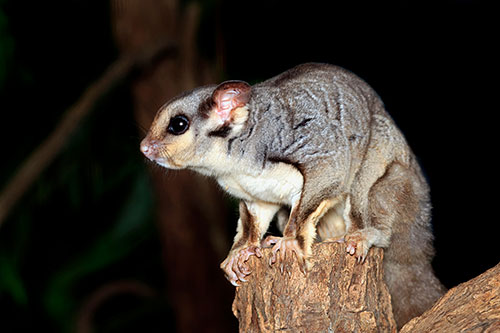
Photography by David Clode
Autumn is also an important time for native animals as they prepare for winter, whether it’s stockpiling food storage, migrating, building or finding appropriate habitat ahead of brumation or hibernation, or even growing thicker fur to cope with the forthcoming lower temperatures.
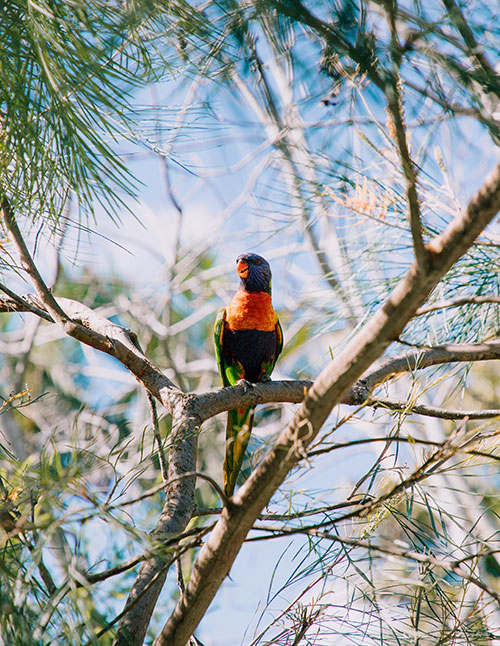
Photography by Jade Stephens
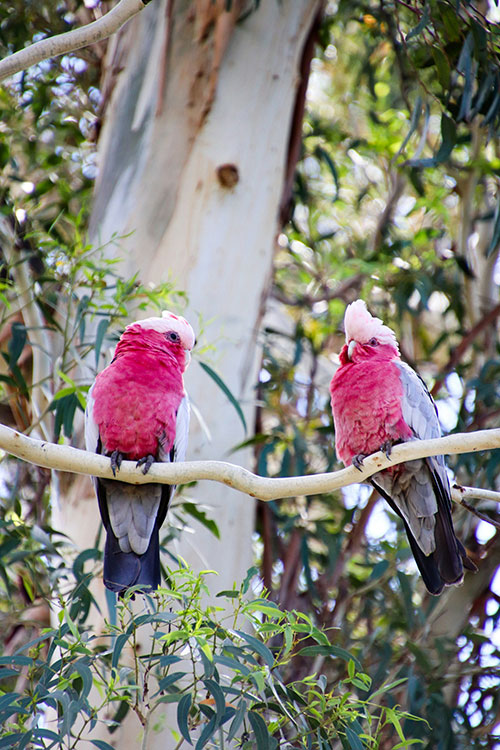
Photography by Megan Clark
It’s not only common native wildlife that calls Canberra home, but many threatened and rare species too, such as the Southern Brush-tailed Rock-wallaby, the Northern Corroboree Frog and the Grassland Earless Dragon in the Tidbinbilla Nature Reserve. Similarly, the rare Eastern Bettong, Eastern Quoll and New Holland Mouse inhabit the Mulligans Flat Woodland Sanctuary.
Photography by Megan Clark
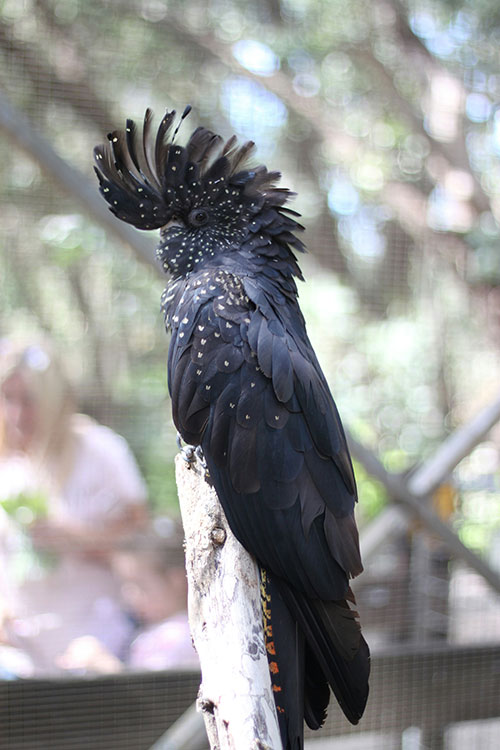
Autumn is also a brilliant time for birdwatching as migrations and sightings are more common. Birds such as the Rainbow Lorikeet and Kookaburra are also more active and vocal. To find native birds in the capital, head to the Jerrabomberra Wetlands Nature Reserve, one of the ACT’s most important wetland habitats and home to diverse plant and animal life including more than 170 different bird species.
Photography by Megan Clark
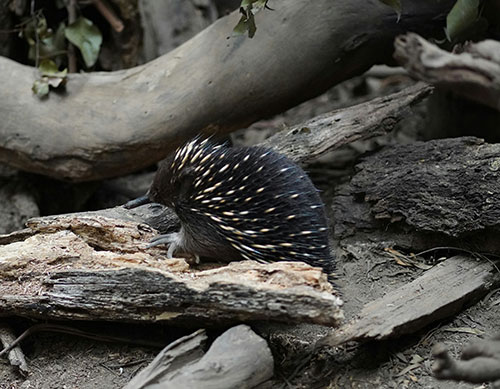
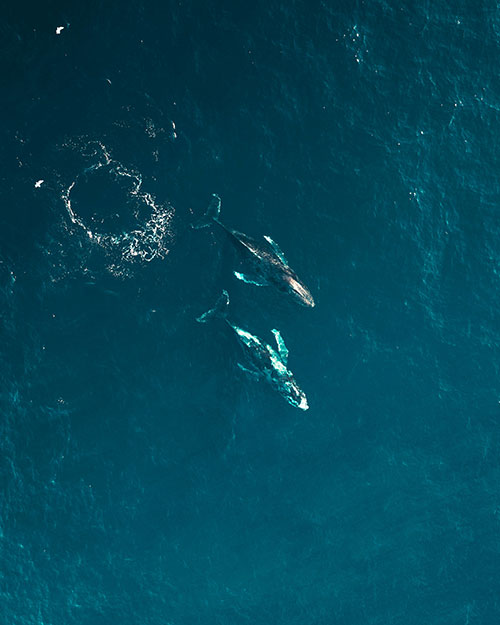
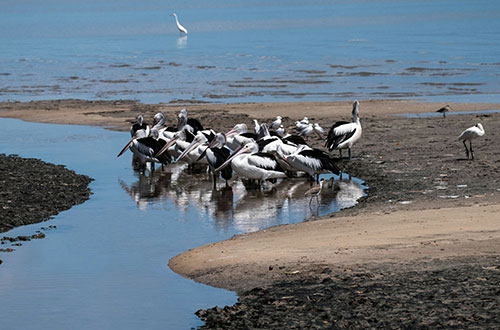
Along the South Coast, the Murramarang National Park, Eurobodalla National Park and surrounding bushlands and nature reserves are key locations for spotting wildlife. Expect to find kangaroos, wallabies, wombats, parrots and bandicoots when inland, or sea eagles, shorebirds, seals and migrating whales when on the coastline.
Photography by Dmity Osipen
Photography by David Clode
When visiting these areas, make sure to take a camera and binoculars to make the most of the experience. Remember that while it can be exciting to see Australian wildlife in their native habitats, it is important to respect them in their environment. Under no circumstances should you enter, disturb or destroy their habitats in any way. Do not try to feed, touch, approach or disturb them – give them lots of space to roam and generally keep your distance. This will ensure you stay safe and protect their habitat too.
Enjoy this complimentary magazine, and continue to feel inspired to find endless possibilities to enhance your own living.
To read the e-brochure, click here.


